Lily Flowers Pink Butterfly Watercolor Review
As a professional embroidery designer who regularly evaluates digital assets for both client work and personal shop inventory, I approach every new machine embroidery design with a critical eye. It is not enough for an illustration to look beautiful on a screen; it must translate effectively into thread. When evaluating the Lily Flowers Pink Butterfly Watercolor design, my primary focus is on how this artistic style performs when converted from pixels to stitches. This review breaks down the practical realities of using this specific artwork in real-world production scenarios, specifically for makers and small business owners who need reliable results.
First Impressions and Artistic Translation
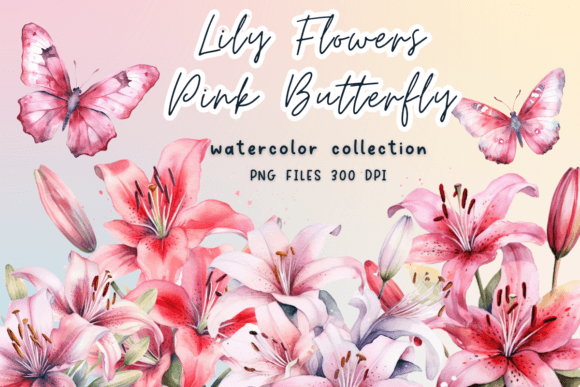
The immediate appeal of Lily Flowers Pink Butterfly Watercolor lies in its soft, organic aesthetic. Unlike rigid vector art, watercolor illustrations rely on blending and gradients that can be notoriously difficult to replicate in embroidery. Upon reviewing the composition, the layout feels balanced yet fluid, which is essential for maintaining visual interest without creating excessive stitch density. The mood is undeniably gentle and romantic, making it a strong candidate for spring collections, nursery items, or feminine apparel.
However, as an experienced reviewer, I look beyond the pretty colors. I am analyzing how the color transitions are handled. In high-quality digitizing inspired by watercolor art, we expect to see sophisticated use of fill stitch variations and potentially blended thread colors rather than harsh blocks of solid satin. The pink tones in the butterfly and lilies should feel layered. If the embroidery file uses too many distinct color stops to achieve this effect, it will slow down production time significantly. Conversely, if it relies solely on heavy underlay to blend colors, the final finished product may feel stiff and bulletproof. This design appears to strike a reasonable balance, suggesting it was created with textile application in mind rather than just print.
Real-World Application: The Custom Tote Bag Test
To truly judge the viability of Lily Flowers Pink Butterfly Watercolor, I mentally place it in a current project scenario. Recently, I prepared a line of natural canvas tote bags for a local boutique collaboration. This specific design would serve as the centerpiece for their spring launch. Canvas is a textured fabric that absorbs light, which can sometimes dull delicate watercolor effects.
In this application, the success of the tote bag design depends entirely on contrast and stabilization. Because the pinks and greens in the lily and butterfly motif are pastel-leaning, they risk disappearing against unbleached canvas unless the digitizer included sufficient contrast in the shading. When stitching this out, I would verify that the stitch density is adequate to cover the weave of the canvas without causing puckering. A watercolor style often requires lighter coverage to mimic paint, but on a bag that will be handled frequently, structural integrity matters. I would pair this design with a medium-weight cutaway stabilizer to prevent the fabric from shifting during the intricate petal details. If the design holds its shape on canvas without excessive pull distortion, it passes the durability test for commercial merchandise.
Navigating Fabric Choices and Technical Constraints
While versatile, Lily Flowers Pink Butterfly Watercolor demands careful fabric selection. Not all textiles play nicely with illustrative embroidery styles. Here is where caution is required:
- Stretchy Knits and Sweatshirts: If you plan to use this for sweatshirt embroidery or baby onesies, the open nature of watercolor stitching can be risky. Knits move. You must use a fusible mesh stabilizer and potentially a topping to keep the stitches from sinking into the fleece or jersey. Test the tension first; if the pink butterfly wings distort when the garment is worn, the design is too rigid for that specific knit weight.
- Dark Fabrics: Watercolor designs are typically optimized for white or light backgrounds. Using this on navy or black fabric will likely result in lost detail unless the digital embroidery file includes a white underlay base. Always check a grayscale preview before committing dark garments to the hoop.
- Sheer and Lightweight Materials: For tea towels or voile, the density might be too high. Watercolor illusions often require layering stitches. On thin fabric, this creates holes or tearing. Reserve this design for medium-weight wovens like linen, cotton twill, or denim.
- Curved Surfaces: Avoid placing this large floral motif across the seam of a cap or the curve of a sleeve. The horizontal span of the lilies requires a flat field to maintain proportion.
Commercial Viability for Etsy Sellers and Makers
For the Etsy seller or creative entrepreneur, time is money. Lily Flowers Pink Butterfly Watercolor offers excellent value for personalized gift markets because of its inherent emotional resonance. Customers associate florals and butterflies with care and femininity, which drives sales in the wedding, baby shower, and Mother’s Day categories.
From a branding perspective, this illustration style signals "handmade" and "artisanal." It avoids the clip-art look that devalues custom work. However, you must manage customer expectations. Watercolor embroidery will never look exactly like printed watercolor paper. Educate your buyers through your listing photos. Use a printable mockup that accurately represents the texture of thread, not just the flat image. This builds trust and reduces returns based on the misconception that the item is printed rather than stitched.
If you are selling design assets or offering this as part of a bundle, ensure you understand the licensing. Can you sell the physical embroidered item? Can you modify the colors? As a reviewer, I always advise checking these terms before integrating any asset into your craft business workflow. Nothing hurts a brand faster than a copyright dispute.
Essential Designer Notes for Successful Execution
Before you thread your needle or list a new product featuring Lily Flowers Pink Butterfly Watercolor, run through this practical checklist derived from professional testing standards:
- Stitch Out Verification: Never skip the test sew. Even premium files vary between machine brands. Stitch the design on a scrap of the exact fabric you intend to use for the final project.
- Thread Color Matching: Watercolor relies on nuance. Standard polyester threads can sometimes appear too shiny or artificial for this aesthetic. Consider using matte finish threads or rayon for a softer sheen that mimics paint better. Verify that your thread colors match the chart provided, or create a custom conversion that maintains the tonal depth.
- Hoop Size Confirmation: Ensure your hoop size accommodates the full design with at least a half-inch margin. Resizing watercolor-style embroidery can destroy the gradient effects. If you must resize, do so within 10% and re-check the stitch count.
- Detail Inspection: Zoom in on the butterfly antennae and flower stamens. Are they running stitches or tiny satins? Running stitches on textured fabric may get lost. If they are too fine for your target material, consider editing them out or replacing them with French knots manually.
- Wash Testing: If this is for a kitchen towel or baby blanket, wash the test sample. Watercolor fills can sometimes loosen or fray if the lock stitches aren't secure. A handmade product must survive real life, not just look good on a display shelf.
Final Verdict on Design Utility
Lily Flowers Pink Butterfly Watercolor is a compelling choice for makers seeking to elevate their inventory with soft, illustrative aesthetics. It bridges the gap between traditional floral motifs and modern artistic expression. Its success in your studio will depend less on the file itself and more on your technical understanding of how to support its delicate nature. By respecting the fabric limitations, verifying the density for your specific application, and presenting the texture honestly to customers, this design can become a profitable and beautiful staple in your embroidery repertoire. Whether applied to a cherished baby embroidery keepsake or a boutique retail item, it offers the warmth and personality that only quality needlework can provide.