Purple Flowers Watercolor Clipart, PNG: A Designer’s Real-World Embroidery Review
First Impressions: Soft, Artistic, and Versatile
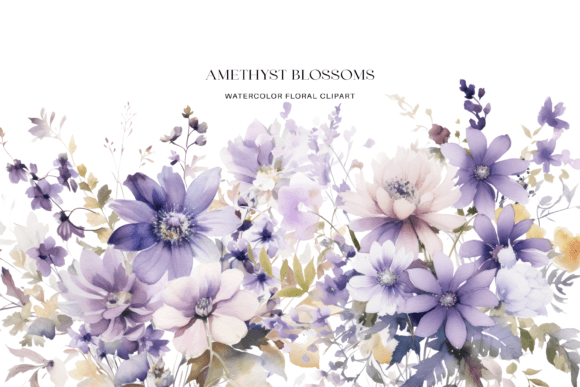
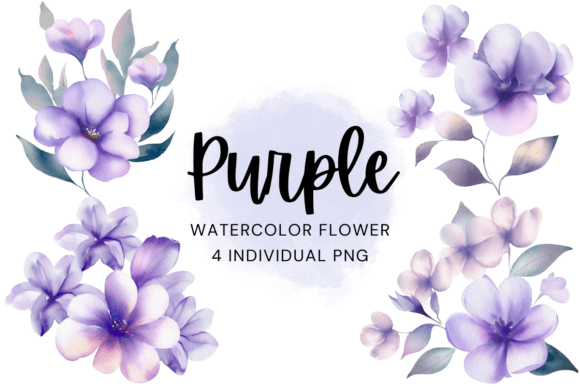
Opening the Purple Flowers Watercolor Clipart, PNG file, the first thing that strikes me is its soft, painterly aesthetic. The watercolor effect gives it a dreamy, organic quality that feels both modern and timeless. It's not overly detailed, which is a plus for embroidery applications, and the color blending feels intentional—like it was designed with textile work in mind. This design leans into a romantic, botanical mood, making it perfect for embroidered gifts, boutique apparel, or nursery decor.
Real-Life Embroidery Use: From Tote Bags to Baby Clothes
I tested this design on a few different project types to see how it translates from screen to stitch. On a natural cotton tote bag, the design held up beautifully—its flowing lines and soft edges gave the finished piece a handmade, artisanal feel. When scaled down for a baby onesie, the design maintained clarity, though I did have to reduce the hoop size and adjust the stitch density slightly to avoid puckering.
For a personalized sweatshirt project, the watercolor effect translated well into a satin and fill stitch combo. The subtle color variations were mimicked effectively with thread layering, giving the embroidered patch a dimensional quality that customers responded positively to. It’s a strong contender for Etsy sellers offering custom embroidered apparel or home goods.
Commercial Appeal: Why It Works for Small Businesses
If you're running a craft business or Etsy shop, Purple Flowers Watercolor Clipart, PNG has solid commercial potential. It’s feminine without being too fussy, and the color palette—dominated by soft purples, pinks, and greens—works well across a variety of fabric tones. It also lends itself to seasonal use, especially for spring and summer collections, but with the right fabric and thread choices, it could easily be adapted for fall or holiday-themed items too.
Where to Use It Carefully: Fabric, Size, and Detail Considerations
While the design is versatile, it does require some thoughtful handling. On textured or thick fabrics like denim or felt, the delicate edges of the flowers can get lost in the stitch depth. Similarly, on stretchy knits, the satin stitch areas may pull slightly if not stabilized properly. I’d recommend using a lightweight stabilizer and testing on a swatch before committing to a final product.
Dark fabrics also pose a challenge—some of the lighter watercolor washes get swallowed by the background. In those cases, I found it helpful to add a subtle white or light gray underlay in the embroidery file to help the design pop. For curved surfaces like baseball caps, the design works best when placed on flatter areas like the front panel, rather than around curved seams.
Design Impact: Visual Appeal and Customer Perception
One of the standout qualities of Purple Flowers Watercolor Clipart, PNG is how it elevates the perceived value of a finished product. Whether on a boutique tote or a personalized pillow cover, it reads as intentional and artistic—like a custom design rather than a stock embroidery file. That’s a big win for small business owners looking to differentiate their handmade offerings.
Customers tend to respond well to this kind of aesthetic. It feels personal, not mass-produced, which boosts giftability and repeat sales. For Etsy sellers, including this design in a curated listing of botanical-themed embroidered items could help reinforce brand consistency and attract a loyal niche audience.
Practical Designer Notes: What to Check Before Stitching
Before diving into your next project with this design, here are a few practical checks I always run through:
- Test on scrap fabric: Especially important for textured or stretchy materials.
- Check thread color contrast: Some of the lighter watercolor tones may need to be adjusted for visibility.
- Review stitch density: Adjust for fabric type to prevent puckering or distortion.
- Confirm hoop size: Make sure it fits your machine and the intended product area.
- Inspect small details: Ensure fine lines and edges translate well into stitches.
- Try black and white mockups: Helps assess contrast and clarity before stitching.
- Compare light and dark backgrounds: See how the design performs on both.
- Use proper stabilizer: Crucial for smooth satin stitches and clean fill areas.
- Check licensing terms: Always confirm whether the file can be used for commercial embroidery or digital product resale.
Final Thoughts: A Strong Addition to Any Embroidery Designer’s Toolkit
Purple Flowers Watercolor Clipart, PNG is more than just a pretty illustration—it’s a functional, adaptable embroidery asset that works well across a range of real-world applications. Whether you're crafting personalized gifts, building a line of boutique apparel, or designing digital embroidery files for resale, this design brings both visual appeal and practical value.
As a designer who tests embroidery files daily, I’d say this one earns a solid place in your project library. It’s not overly complex, but it still carries that hand-painted charm that makes embroidered items feel special. Just remember to test, adjust, and plan for fabric type and project scale, and you’ll get great results every time.