Farm Barn Watercolor Clipart: An Embroidery Review
As a professional embroidery designer and product reviewer, I approach every new digital asset with a critical eye. When evaluating Farm Barn Watercolor Clipart, my first thought isn't just about how pretty the illustration looks on a screen, but how it will translate into thread on fabric. This specific piece of artwork carries a distinct nostalgic warmth that is currently dominating the handmade market, but translating watercolor aesthetics into a machine embroidery design requires careful consideration of stitch types, density, and end-use application.
First Impressions and Visual Translation
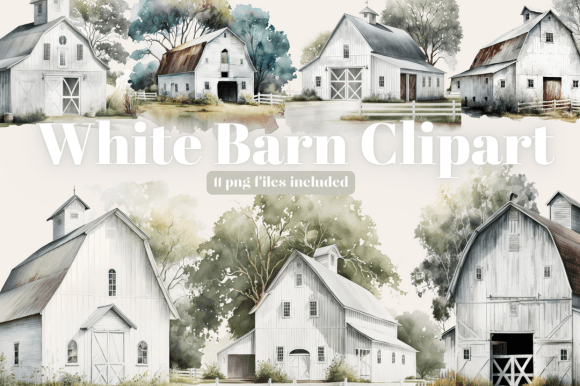
The initial appeal of this Farm Barn Watercolor Clipart lies in its soft edges and organic color blending. Unlike rigid vector art, watercolor illustrations offer a dreamy, vintage quality that resonates deeply with customers looking for personalized gifts or nursery decor. However, as an embroiderer, I immediately look for contrast. Watercolor relies on transparency, whereas embroidery relies on opacity and texture. The success of this design as an embroidery file depends entirely on whether the digitizer has respected the original art's flow or simply filled shapes with solid blocks.
In reviewing this asset for potential use in Illustrations collections, I appreciate that the barn structure provides a solid anchor point. This is crucial because purely abstract watercolor can sometimes get lost in stitching. The architectural lines of the barn allow for necessary structural stitches, while the surrounding washes of color can be interpreted through lighter fill stitch patterns or artistic shading techniques. This balance makes the design versatile enough for both traditional country aesthetics and modern farmhouse styles.
Real-World Application: The Custom Tote Bag Test
To truly judge the viability of this Farm Barn Watercolor Clipart, I mentally placed it into a real production scenario: creating a premium canvas tote bag design for a boutique client. Tote bags are a staple for any Etsy seller or small shop product line, but they present unique challenges due to the coarse weave of canvas.
For this project, the watercolor style actually works in our favor. A crisp, high-density logo might fight against the canvas texture, but a softer, more artistic interpretation of the barn allows the fabric's natural character to show through. I envision using this design as a centerpiece, perhaps paired with a simple monogram in a complementary thread color. The key here is ensuring the stitch density isn't so heavy that it distorts the bag, nor so light that the colors vanish into the weave. If the digital embroidery file includes adequate underlay, this clipart could produce a stunning, high-value finished product that justifies a higher price point than standard stock designs.
Navigating Fabric Choices and Stabilization
While the aesthetic is beautiful, practical execution varies wildly by substrate. When planning a sweatshirt embroidery project using this artwork, you must account for stretch. Fleece and French terry fabrics are unstable, and detailed watercolor effects can warp if not properly supported. For this custom apparel application, I would strongly recommend testing the design on scrap fabric first. You may need to increase stabilization or adjust the pull compensation settings to maintain the integrity of the barn’s vertical lines.
Conversely, if you are creating baby embroidery items like onesies or blankets, the concern shifts to comfort and safety. Watercolor designs can sometimes become dense "bulletproof" patches if not digitized with care. Before committing this Farm Barn Watercolor Clipart to a delicate infant garment, verify that the stitch count is manageable and the back of the design won't irritate sensitive skin. Using a lightweight cut-away stabilizer and potentially a topping can help preserve the soft visual effect without adding excessive bulk. Always check the specific technical details of your embroidery file before hooping expensive baby garments.
Strategic Use Cases for Makers and Sellers
This artwork shines brightest when matched with the right product category. Based on the mood and composition of the Farm Barn Watercolor Clipart, here are the most promising avenues for commercial and personal use:
- Holiday Embroidery: The rustic nature of the barn makes it ideal for Christmas stockings, tree skirts, or festive kitchen towels. It evokes a sense of heritage and tradition that buyers love during the winter season.
- Nursery Decor: As wall hangings or pillow covers, the soft watercolor palette is perfect for gender-neutral or boho-themed baby rooms. Ensure the final stitch-out uses matte threads to mimic the paper-like quality of the original art.
- Craft Business Branding: For makers selling at farmers' markets or fairs, this design serves as excellent branding on packaging tags, aprons, or booth signage. It communicates a handmade, artisanal vibe instantly.
- Printable Mockups: Beyond physical stitching, this clipart is valuable for digital product sellers. Use it to create realistic printable mockup listings to showcase how the design *could* look, helping drive sales of the design assets themselves.
Critical Considerations and Limitations
No design is universal, and honesty about limitations saves time and money. I would advise caution when attempting to shrink this Farm Barn Watercolor Clipart down for small hoop sizes or cap embroidery. Watercolor details rely on color transitions that simply cannot be rendered clearly at two inches wide. If the barn becomes unrecognizable or the colors muddy at small scales, reserve this artwork for larger formats like 5x7 hoops or bigger.
Additionally, consider the background fabric color. Watercolor-style embroidery often assumes a white or cream base to act as the "paper." Stitching this onto black or navy fabric without significant modification will likely result in a loss of detail and vibrancy. If you intend to use this on dark garments, confirm whether the embroidery file includes a white underlay base or if you will need to add one manually. Also, always review licensing terms before selling finished items or digital derivatives to ensure your commercial embroidery activities are compliant.
Designer Notes for Professional Results
To maximize the value of this Farm Barn Watercolor Clipart in your studio, keep these practical tips in mind:
- Thread Color Matching: Do not rely solely on auto-conversion software. Hand-select thread colors that match the specific watercolor hues. Variegated threads can sometimes replicate the painterly effect better than solid colors.
- Test Stitch-Outs: Never skip this step. Run a test on the exact fabric and stabilizer combination you plan to use for the final embroidery project. Check for registration issues where color layers meet.
- Evaluate Stitch Types: Inspect the design in your editing software. Are the outlines running stitches or satin stitches? For a watercolor look, jagged or artistic running stitches often look more authentic than perfect satin borders.
- Mockup Verification: Create black and white mockups to test contrast. If the design reads well in grayscale, it will likely have strong visual impact in thread. If it turns into a gray blob, you may need to adjust density or spacing.
- Customer Communication: If selling finished goods, educate your buyers. Explain that because this is a watercolor-inspired handmade product, slight variations in texture and shading are part of the charm, distinguishing it from mass-produced prints.
Ultimately, Farm Barn Watercolor Clipart offers a beautiful opportunity to elevate your embroidery portfolio beyond standard cartoons and logos. By treating it with the technical respect required for translating paint to thread, you can create personalized gifts and boutique products that feel genuinely artistic. Whether you are an experienced Etsy seller expanding your catalog or a hobbyist making a special keepsake, this design has the potential to deliver exceptional results when approached with intention and craftsmanship.