Watercolor Grey Brush PNG: An Embroidery Review
As a professional embroidery designer who constantly tests new assets for client work and shop inventory, I approach every digital file with a healthy dose of skepticism. When I first opened the Watercolor Grey Brush PNG from the Freebies category, my immediate thought was not about how pretty it looked on screen, but how it would translate into physical thread. Digital art and machine embroidery are two different languages; what looks like a soft, ethereal wash of color in a raster image can easily become a dense, bulletproof patch of stitches if not interpreted correctly. After evaluating this design for potential use in real-world projects, I have gathered specific insights for makers, Etsy sellers, and apparel decorators considering this asset for their next collection.
First Impressions and Visual Mood
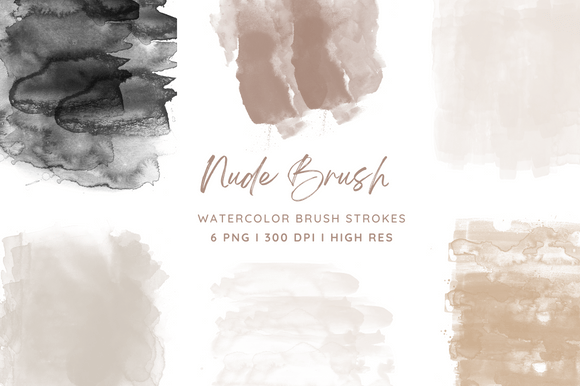
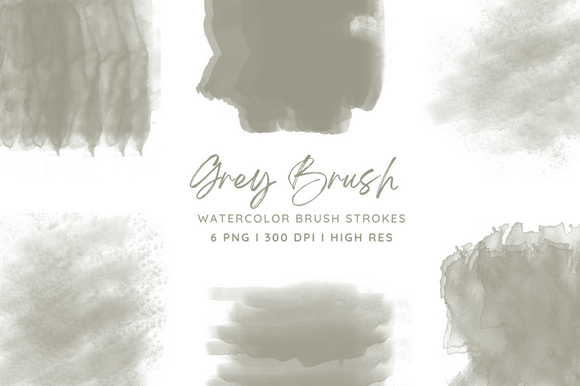
The Watercolor Grey Brush PNG carries a distinctively modern, minimalist aesthetic. Unlike traditional floral or cartoon-style embroidery files, this design relies on organic shapes and tonal variation rather than hard outlines. The mood is sophisticated and neutral, making it an excellent candidate for high-end handmade products where subtlety sells. Visually, the grey tones suggest depth and shadow, which is fantastic for digital mockups but presents a unique challenge for stitching. In a digital format, transparency creates softness; in embroidery, we must recreate that softness through stitch density and thread blending. This design feels less like a standalone graphic and more like a textural element, perfect for adding artistic flair to custom apparel or home decor without overwhelming the base fabric.
Real-World Application: The Linen Tote Bag Test
To truly judge the viability of this design, I mentally placed it onto a natural linen tote bag project I am currently prototyping for a boutique client. Linen has a visible weave and a slightly rough texture, which pairs beautifully with watercolor aesthetics but demands respect during digitizing. For this specific application, the Watercolor Grey Brush PNG serves as an elegant backdrop for personalized text or a monogram. Instead of being the focal point, it acts as a framing device that elevates the perceived value of the finished product.
When stitching this on a tote bag, the lack of harsh borders allows the design to blend seamlessly into the fabric. This is crucial for commercial embroidery where customers often prefer designs that feel integrated rather than stamped on. However, because this is a PNG source, the transition to an embroidery file requires careful planning. You cannot simply auto-digitize a watercolor brush stroke and expect magic. I envision using a combination of fill stitches with varying densities and perhaps some running stitch accents to mimic the dry-brush edges seen in the original artwork. This approach maintains the airy feel of the watercolor style while ensuring the design remains stable on the textured linen surface.
Navigating Fabric Choices and Stabilization
While the Watercolor Grey Brush PNG is versatile, it is not universally forgiving. The success of this design hinges entirely on your fabric selection and stabilizer strategy. Because watercolor effects rely on tonal shifts, high-contrast fabrics like stark white or jet black can sometimes flatten the design. Mid-tone fabrics, creams, tans, and soft pastels tend to showcase the grey nuances best.
I would advise extreme caution when attempting this design on stretchy knits or lightweight performance fabrics without significant modification. The nature of a brush stroke often implies coverage, and if the digitized version becomes too dense to capture the gradient, it will cause puckering on unstable materials. For sweatshirt embroidery or baby clothes, you must prioritize a lighter stitch density. Using a cutaway stabilizer is non-negotiable here to prevent the organic shapes from distorting during the wash cycle. Conversely, for structured items like caps or embroidered patches, the design may need to be simplified significantly. Curved surfaces do not tolerate complex shading well, and tiny details in a brush tip will likely get lost or cause registration issues on a hat hoop.
Technical Considerations for Digitizing and Stitching
For fellow designers and makers converting this PNG into a machine embroidery design, remember that thread does not mix like paint. To replicate the watercolor effect, you will likely need to utilize blending techniques or variegated threads. A single shade of grey thread will look flat compared to the digital original. I recommend testing thread colors against the actual fabric before committing to a full production run. Sometimes, a cool-toned grey reads better on warm fabrics, while a charcoal blend adds necessary drama to lighter backgrounds.
Pay close attention to the edges of the brush stroke. In the PNG, they are soft pixels; in embroidery, they must be defined by either satin stitch borders or carefully placed running stitches. Leaving edges completely open can lead to fraying over time, especially on items like tea towels or aprons that face frequent laundering. However, boxing the entire design in a heavy satin border will destroy the watercolor illusion. Finding that balance between durability and aesthetics is where the true artistry of this project lies.
Commercial Viability and Customer Perception
From a business perspective, incorporating the Watercolor Grey Brush PNG into your product line signals a level of artistic maturity. Customers browsing Etsy listings or craft fair booths are increasingly drawn to designs that look hand-painted rather than computer-generated. This asset bridges that gap effectively. It works exceptionally well as a value-add for personalized gifts; imagine a wedding guest book cover or a nursery pillow where the brush stroke adds a bespoke, artistic touch behind a name.
However, professionalism requires transparency and testing. If you are selling finished goods featuring this design, ensure your photos accurately represent the stitched texture, not just the digital rendering. Buyers need to trust that the handmade product matches the listing. Furthermore, because this item is listed under Freebies, you must verify the licensing terms before using it for commercial embroidery. Some free design assets allow for personal use only, while others permit the sale of finished physical products but prohibit the resale of the digital embroidery file itself. Always confirm these rights to protect your small business and respect the original creator's work.
Practical Designer Notes for Success
Before you load your hoop, take these practical steps to ensure the Watercolor Grey Brush PNG translates successfully:
- Test on Scrap Fabric First: Never stitch a new interpretation of a watercolor design directly onto a final product. The interaction between thread sheen and fabric texture is unpredictable.
- Check Thread Contrast: View your thread choices in natural light. Grey threads can shift dramatically between indoor and outdoor lighting, affecting the visibility of the brush details.
- Review Stitch Density: Ensure the design is not too dense for your chosen material. Watercolor should feel light; if the fabric is stiff after stitching, reduce the density or change the fill type.
- Confirm Hoop Size: Organic shapes can be deceptive. Measure the actual stitch area carefully to ensure it fits your hoop with adequate margin for stabilization.
- Mockup in Black and White: Before stitching, convert your digital preview to grayscale. If the design lacks definition without color, it will likely fail in embroidery where contrast is key.
- Verify Licensing: Double-check whether the Freebies license covers your intended commercial use, especially if you plan to sell the item on platforms like Etsy or at markets.
Ultimately, the Watercolor Grey Brush PNG is a beautiful starting point for creative entrepreneurs willing to put in the technical effort. It offers a departure from standard clipart and invites a more artistic approach to machine embroidery. By respecting the limitations of thread and fabric, and by testing thoroughly, you can transform this digital asset into a signature element of your handmade brand that resonates with customers seeking quality and artistry.