Watercolor Golf Clipart: Sports Illustrations for Blogs
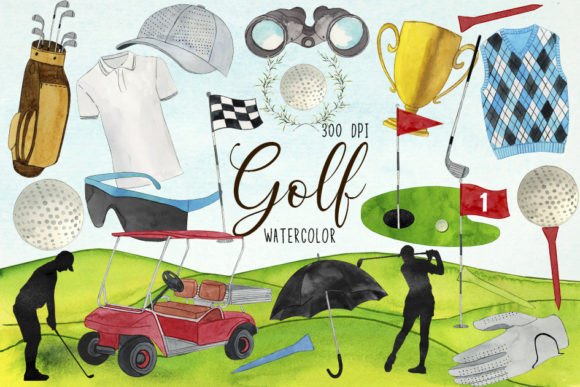
As a digital publisher and blog designer, my first interaction with any new graphic design asset is purely editorial. Before I even consider file formats or resolution, I ask myself: does this visual communicate the right mood instantly? When reviewing Watercolor Golf Clipart, Sports, the immediate impression is one of refined leisure and approachable elegance. Unlike the sharp, high-contrast vector art often associated with sports content, these watercolor illustrations evoke a softer, lifestyle-focused narrative. This distinction is critical for content creators targeting audiences interested in golf fashion, country club culture, women’s sports, or seasonal recreational guides rather than technical swing analysis or tournament statistics.
The hand-painted aesthetic creates an organic texture that feels personal and curated. In an era of AI-generated saturation and sterile stock photography, this human touch builds immediate reader trust. For a publisher, this means the asset naturally supports niches like luxury travel, feminine wellness, hobbyist blogging, and affiliate marketing for boutique golf brands. The visual tone strikes a balance between playful and polished, making it versatile enough for both serious editorial features and lighthearted social media engagement without feeling out of place in either context.
Elevating Editorial Layouts and Featured Images
In a real publishing workflow, consistency is the backbone of brand identity. Watercolor Golf Clipart, Sports serves as an excellent unifying element across disparate content types. When designing a website header or category archive page, these illustrations provide a cohesive visual thread that ties together articles about equipment reviews, course travelogues, and apparel roundups. The soft edges of watercolor allow the graphics to blend seamlessly into colored backgrounds or overlay onto photographs without creating harsh visual boundaries, which is essential for maintaining a clean modern design aesthetic.
For featured images, this clipart solves a common publisher dilemma: how to create custom-looking graphics without hiring an illustrator for every post. By combining these elements with solid colors or subtle textures in Canva or Photoshop, you can produce unique blog graphics that stand out in RSS feeds and search results. The artistic style signals quality to the reader before they even click, suggesting that the content within is thoughtfully crafted rather than mass-produced. This perception of value is directly correlated to lower bounce rates and higher time-on-page metrics.
Driving Clicks on Pinterest and Social Media
Pinterest remains a powerhouse for traffic in the golf and lifestyle space, but it demands specific visual strategies. Standard landscape photos often get lost in the vertical feed. Watercolor Golf Clipart, Sports excels here because the illustrative style is inherently scroll-stopping. When used in a Pinterest pin, the artwork acts as a focal point that breaks up the monotony of photographic content. I have found that pins featuring stylized illustrations often achieve higher save rates because they feel like collectible art rather than disposable ads.
For social media graphics on Instagram or Facebook, these assets work beautifully as decorative accents around text-heavy quotes or announcements. They add personality to promotional posts for affiliate products or digital downloads without overwhelming the message. The key is to treat the clipart as a supporting character in your visual hierarchy, not the entire story. Use the golf clubs, balls, or apparel illustrations to frame your headline or highlight a call-to-action, ensuring the text remains legible and the composition feels balanced.
Enhancing Digital Products and Lead Magnets
Beyond blog posts, this asset class shines in the creation of monetizable digital products. If you are developing a lead magnet such as a "Golf Course Packing Checklist" or a "Beginner’s Etiquette Guide," watercolor illustrations elevate the perceived value of the freebie. A plain PDF feels transactional; a beautifully illustrated guide feels like a gift. This emotional connection increases conversion rates on opt-in forms and establishes authority in your niche.
For creators selling printable design files or planners, Watercolor Golf Clipart, Sports offers commercial viability. These illustrations can be incorporated into journal covers, sticker sheets, or wall art templates. However, publishers must always verify the specific commercial license terms before integrating these assets into products intended for resale. Assuming rights transfer automatically is a dangerous oversight. Always confirm whether the license covers end-product sales or restricts usage to marketing materials only. Proper licensing protects your business and respects the original artist’s intellectual property.
Strategic Placement and Visual Hierarchy
Knowing where not to use a design asset is just as important as knowing where to use it. While Watercolor Golf Clipart, Sports is versatile, it requires careful placement to maintain professional standards. Avoid using these detailed illustrations in small mobile thumbnails where the intricate brushwork will blur into indistinct blobs. Similarly, exercise caution when placing them over busy photographic backgrounds; the lack of hard edges can cause the illustration to disappear, destroying your visual hierarchy.
This asset works best against negative space. Solid pastel backgrounds, cream textures, or white cards provide the necessary contrast for the watercolor details to pop. In web design, ensure there is adequate padding around the illustrations so they do not feel cramped against text columns. For newsletter headers, test the graphic at actual display size in multiple email clients. What looks crisp on a retina desktop monitor may appear pixelated or washed out on a standard mobile screen. Always prioritize readability and clarity over decoration.
Publisher Workflow Notes and Technical Checks
Before deploying Watercolor Golf Clipart, Sports to a live site, run through this practical checklist to ensure editorial excellence:
- Font Pairing Test: Place the illustration beside your primary serif, sans-serif, and script fonts. Watercolor pairs exceptionally well with elegant serifs and handwritten scripts but can clash with rigid geometric sans-serifs. Ensure the typography matches the organic energy of the art.
- Contrast Verification: Check accessibility standards if the clipart is placed near interactive elements or essential text. The translucent nature of watercolor can sometimes reduce contrast ratios below WCAG guidelines.
- File Optimization: High-resolution watercolor scans can be heavy. Compress PNGs using lossless tools to preserve edge quality while reducing load times. Web performance directly impacts SEO rankings and user experience.
- Grayscale Check: View the asset in black and white. Does it still hold its shape and interest? This ensures the graphic remains effective for printables or users with visual impairments.
- Contextual Preview: Never judge the asset in isolation. Drop it into a draft blog post or a mockup of your Canva template to see how it interacts with real headlines and body copy.
Ultimately, Watercolor Golf Clipart, Sports is more than just decoration; it is a strategic tool for content marketing. It bridges the gap between niche specificity and broad aesthetic appeal, allowing publishers to create content that feels both expert and inviting. Whether you are building a small business branding package, designing a digital guide, or simply refreshing your blog’s visual language, this asset provides the warmth and authenticity that modern audiences crave. By applying thoughtful editorial judgment and technical diligence, you can transform simple clipart into a cornerstone of a polished, trustworthy, and highly clickable digital presence.