Watercolor Bird Sparrow Painting Set Review
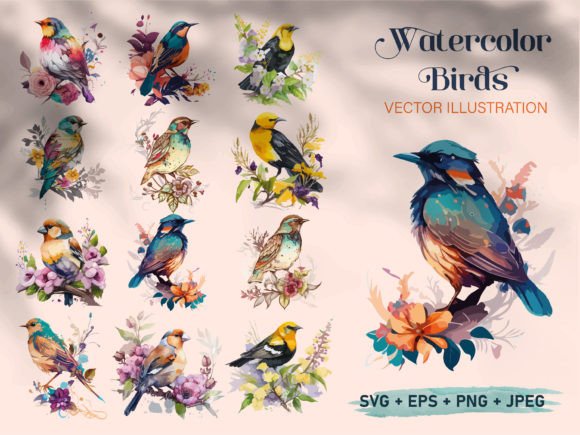
As a professional embroidery designer who constantly evaluates digital assets for commercial viability, I approach every new collection with a specific question: will this translate beautifully from screen to fabric? When reviewing the Watercolor Bird Sparrow Painting Set, my focus shifts immediately to how these illustrations perform as a machine embroidery design. The aesthetic is undeniably charming, evoking a soft, nostalgic mood that resonates deeply with current handmade market trends. However, the true test of any embroidery file lies in its stitch architecture and adaptability across different substrates. This set feels less like rigid clip art and more like a curated artistic resource, but translating watercolor fluidity into thread requires careful consideration of density, texture, and end-use application.
Translating Painterly Aesthetics to Thread
The first impression of the Watercolor Bird Sparrow Painting Set is one of delicate balance. In the realm of Illustrations, capturing the transparency of watercolor through needle and thread is notoriously difficult. Many designs fail because they rely too heavily on dense fill stitch areas that result in a stiff, bulletproof patch rather than a soft, painted look. Upon analyzing this set, I am looking for intelligent digitizing that utilizes running stitch and lighter satin stitch elements to mimic brush strokes without overwhelming the fabric.
For my recent client project involving a line of boutique nursery decor, I needed a motif that felt organic and gender-neutral. The sparrow theme offered a perfect alternative to overly cutesy baby animals or generic florals. The visual personality here is quiet and observant, making it ideal for heirloom-quality items. When evaluating the layout, I noted that the composition allows for negative space, which is crucial when stitching on textured fabrics like linen or waffle knit. A successful embroidery project using this set should breathe; if the design is too packed with stitches, you lose that essential watercolor illusion and risk damaging delicate materials.
Real-World Application: The Custom Tote Bag Test
To truly judge the utility of this collection, I mentally applied it to a high-volume product in my shop: the natural canvas tote bag. Tote bags are a staple for Etsy sellers and craft business owners, but they present unique challenges due to the coarse weave of canvas. I envisioned placing the sparrow illustration off-center, paired with minimalist typography. For this application, the Watercolor Bird Sparrow Painting Set needs to hold its own against the fabric texture without getting lost.
In this scenario, contrast is everything. If I were stitching this on unbleached canvas, I would need to verify that the thread colors provide enough saturation to stand out while maintaining the soft gradient effect. A common pitfall with watercolor-style embroidery files is that they can look muddy on darker or textured backgrounds. For my tote bag prototype, I would prioritize testing the design’s outline definition. If the edges rely solely on color blending without structural running stitches, the bird might disappear into the canvas weave. Conversely, if the digitizer has used smart underlay techniques, the design should lift slightly off the fabric, creating a tactile, embroidered patch effect that adds perceived value to the finished product.
This specific use case also highlights the importance of hoop size selection. While the artwork might be scalable, watercolor effects often degrade if resized too drastically. Enlarging a small design can create gaps in the fill stitch, breaking the painterly illusion, while shrinking it can cause thread breaks and registration issues. For a tote bag, I would recommend keeping the design within 10-15% of its original digitized size to preserve the integrity of the artistic intent.
Navigating Fabric Limitations and Stabilizer Choices
While the Watercolor Bird Sparrow Painting Set shines on stable, medium-weight fabrics, it demands caution when applied to stretchy or sheer materials. As someone who produces custom apparel, I know that sweatshirt embroidery and baby clothes require different approaches. Knits move; watercolor designs typically do not. If you plan to use this set on a French terry sweatshirt or a ribbed baby onesie, your stabilizer choice becomes the single most critical factor.
I would strongly advise against using tear-away stabilizer alone for this type of intricate illustration on stretch fabrics. A cut-away stabilizer, potentially floated with a layer of mesh, is necessary to prevent the design from distorting during wear and washing. The fluid nature of the sparrow painting means that even minor puckering will be visually obvious, ruining the soft aesthetic. Furthermore, if you are considering this for curved surfaces like caps, proceed with extreme care. The flat, expansive nature of many watercolor illustrations does not always map well to the structured curve of a hat brim unless the design has been specifically digitized for headwear. Always check the product specifications or run a cap-specific test before committing to bulk production.
Dark fabrics also present a challenge. Watercolor relies on light passing through layers. On black or navy garments, you may need to stitch a white underlay base first to act as a canvas for the colored threads. Without this step, the thread colors will absorb into the dark fabric, resulting in a dull, lifeless image. This extra step increases stitch count and production time, so factor that into your pricing model if you are selling these as commercial embroidery products.
Commercial Viability for Makers and Sellers
For Etsy sellers and small shop owners, the Watercolor Bird Sparrow Painting Set offers significant versatility, provided it is marketed correctly. This design asset bridges the gap between seasonal holiday embroidery and evergreen nature themes. It works beautifully for personalized gifts, such as wedding favor pouches or anniversary pillow covers, where the sparrow symbolizes domestic harmony and simplicity. However, professionalism dictates that we verify licensing before scaling up. Ensure your purchase includes commercial rights for both physical finished products and potential digital product previews if you plan to sell printable mockups or design bundles.
Customer trust is built on consistency. If you list this design on a tea towel, ensure the sample photo accurately represents the stitch density and color accuracy. Do not rely solely on digital renderings; buyers want to see how the thread interacts with the fabric grain. When creating listings, highlight the "hand-painted" feel achieved through embroidery, as this justifies a higher price point compared to printed alternatives. The value proposition here is the fusion of fine art aesthetics with durable textile craftsmanship.
Essential Pre-Stitch Checklist for Designers
Before loading this embroidery file into your machine for a final production run, adhere to these practical designer notes to ensure professional results:
- Test on Scrap Fabric First: Never assume settings transfer perfectly between fabric types. Stitch out the sparrow on the exact material you intend to use for the final product to check for registration errors or density issues.
- Evaluate Thread Color Contrast: View your thread palette in natural lighting. Watercolor palettes can sometimes look washed out under indoor studio lights. Ensure the transitions between shades are distinct enough to read as separate brush strokes.
- Check Stitch Density Maps: Use your editing software to visualize density. Look for areas where multiple layers overlap excessively, which could cause needle deflection or fabric distortion.
- Confirm Hoop Size Compatibility: Verify that the design fits your specific machine’s hoop dimensions with adequate clearance for the presser foot. Crowding the hoop edges leads to tension inconsistencies.
- Inspect Small Details: Zoom in on the beak, eye, and feather tips. If these details are smaller than 1mm, they may not stitch cleanly. You may need to edit or simplify these areas for smaller applications.
- Black and White Mockup Testing: Convert the design to grayscale in your software. If the image loses all definition without color, the contrast values are too similar, and you risk a flat-looking embroidery project.
- Verify Licensing Terms: Double-check whether the license covers the specific volume of sales or product types you intend to produce. Protecting your business starts with respecting intellectual property.
The Watercolor Bird Sparrow Painting Set is a compelling addition to any embroiderer's library, offering a sophisticated alternative to standard vector art. Its success in your studio depends entirely on technical mindfulness. By respecting the relationship between the digital illustration and the physical limitations of thread and fabric, you can transform this set into best-selling custom apparel, cherished baby embroidery keepsakes, and high-margin boutique products. Approach it not just as a pretty picture, but as a technical blueprint requiring skilled execution, and your finished products will reflect that level of professional care.