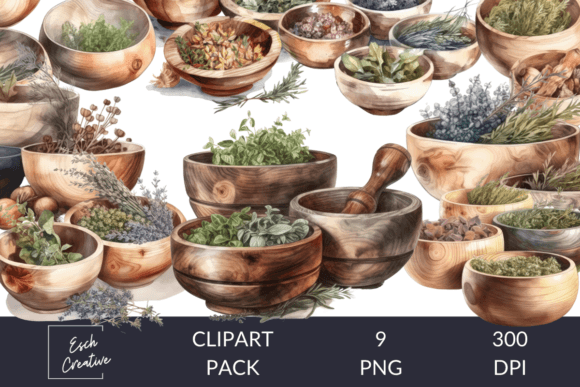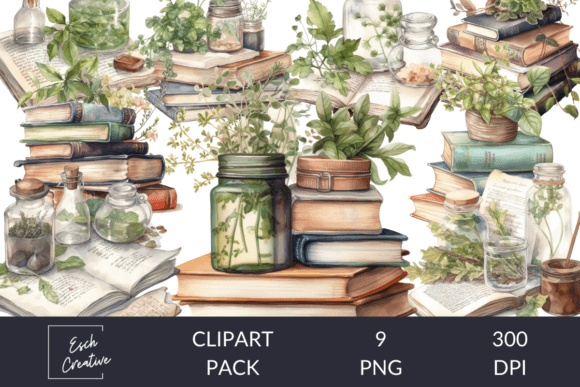
Herbalist Common Plants Watercolor Vol1 Illustrations
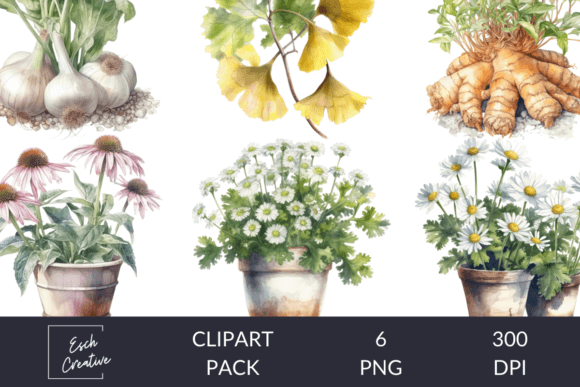
As a handmade business owner who has spent years navigating the intersection of digital assets and physical crafting, I approach every new graphic design asset with a healthy dose of skepticism. We have all downloaded files that looked stunning on a screen but failed miserably when sent to a printer or cutting machine. When I first opened the Herbalist Common Plants Watercolor Vol1 collection, my immediate reaction was one of relief mixed with inspiration. These are not generic, overly saturated clipart images; they possess a muted, organic elegance that feels authentic to the cottagecore and botanical aesthetic currently dominating the Etsy product landscape.
The mood this collection establishes is distinctly rustic yet refined. It avoids the childishness that plagues many plant-themed illustrations, leaning instead into a vintage field guide aesthetic. For a handmade business, this visual tone signals quality and intentionality. It attracts buyers looking for earthy, sustainable, and thoughtful goods rather than mass-produced trinkets. Whether you are targeting the wedding market, eco-conscious consumers, or journaling enthusiasts, these watercolors provide a sophisticated foundation that elevates perceived value without requiring advanced illustration skills.
Real-World Applications for Cricut and Sublimation Projects
In my own workshop, I tested this design bundle across three distinct product lines to see how it performs in actual production scenarios. The versatility of the PNG design files became apparent immediately during a sublimation run for ceramic mugs. Because the watercolor textures retain their soft edges and transparency, the designs blended seamlessly into the white coating of the mugs without the harsh pixelation often seen in lower-resolution assets. This makes them ideal for mug design and tumbler wrap projects where the artwork needs to feel painted on rather than stamped.
For my vinyl crafters using Cricut or Silhouette machines, the utility depends heavily on your chosen technique. If you are creating sticker design products using print-then-cut methods, these assets are exceptional. The intricate details of the leaves and petals hold up beautifully when printed at sticker size. However, if you are attempting to cut these designs from solid vinyl, you must exercise caution. Watercolor art is inherently textured, which means the SVG design cut lines can sometimes be complex. I found they work best for t-shirt design when used as a background element for text or when utilizing infusible ink/sublimation on polyester fabrics, rather than traditional layered vinyl.
I also integrated these clipart elements into a seasonal stationery line. For printable design items like wedding invitations and thank-you cards, the resolution was more than sufficient for crisp home printing and professional press runs. The natural color palette pairs effortlessly with kraft paper and linen cardstock, making it a go-to resource for craft fair inventory where tactile presentation matters just as much as the visual design.
Where These Botanical Assets Shine Brightest
Based on my testing, Herbalist Common Plants Watercolor Vol1 excels in specific crafting niches. Understanding where an asset performs best saves time and reduces material waste.
- Printable Wall Art: The high resolution allows for scaling up to 8x10 or 11x14 prints without losing the delicate brushstroke details that give the art its character.
- Product Packaging: Using these plants as decorative accents on hang tags, belly bands, and tissue paper creates cohesive small business branding that looks expensive.
- Digital Planners and Journals: As digital stickers or page dividers, the transparent backgrounds allow for easy layering over grid or dotted notebook templates.
- Seasonal Gift Bundles: The neutral greens and earth tones make these perfect for autumn, spring, and winter solstice collections, avoiding the cliché bright colors of standard floral packs.
- Mockup Creation: I successfully used individual plant sprigs to create custom product mockup scenes for my shop listings, adding a natural prop effect without needing to stage physical photoshoots.
Crafting Limitations and Technical Warnings
Honesty is vital in the creative marketplace. While beautiful, this collection requires mindful application. There are specific scenarios where I would advise against using these particular design assets.
- Micro-Cutting: Do not attempt to cut these as standalone vinyl decals smaller than two inches. The fine tips of the herbal leaves will tear during weeding, and the internal details will merge.
- Dark Fabric Contrast: Because watercolors rely on transparency and light values, they may disappear on black or navy t-shirts unless you add a white underbase or outline. Always preview on dark backgrounds before committing to a commercial design run.
- Overcrowded Layouts: These illustrations are detailed. Placing them against busy patterns or heavy textures creates visual noise. They need negative space to breathe.
- Layered Vinyl Complexity: If you are converting these to multi-layer vinyl files, expect significant simplification. You will lose the watercolor gradient effect, turning them into flat silhouettes.
Essential Workflow Tips for Handmade Sellers
To get the most professional results from Herbalist Common Plants Watercolor Vol1, treat the files as raw ingredients rather than finished meals. Before listing any item derived from this collection, run through this practical checklist:
- Verify Commercial Licensing: Never assume usage rights. Check the specific license included with the download to confirm you can use it for physical products, print-on-demand services, or digital end-products. Protecting your business legally is step one.
- Test Print Colors: Screen RGB colors rarely match CMYK printer output perfectly. Print a test swatch on your actual product substrate (mug, shirt, paper) to ensure the greens don't shift too yellow or blue.
- Font Pairing Strategy: These botanicals demand typography that matches their organic energy. Avoid rigid, geometric sans-serifs. Instead, pair them with flowing script fonts for a romantic look, or classic serif typefaces for an apothecary vibe. Handwritten display fonts also complement the artisanal feel.
- Simplify for Cutting: If using a Cricut project workflow for vinyl, use the simplify tool in your design software to reduce node count. Alternatively, use the image as a print-then-cut layer and place a simple solid shape behind it for easier weeding.
- Create Cohesive Collections: Don't just use one image. Use multiple elements from the volume to create matching sets (e.g., a mug, coaster, and gift tag). This encourages higher cart values in your Etsy shop.
- Check Transparency Edges: Zoom in to 100% on the PNG files. Ensure there are no white halos around the edges that will show up on colored products. If found, use a magic wand tool to clean the edges before importing into your cutting software.
Final Thoughts for Creative Entrepreneurs
In the saturated world of handmade goods, differentiation comes from curation and execution. Herbalist Common Plants Watercolor Vol1 offers a strong starting point for sellers willing to put in the technical work to adapt it correctly. It bridges the gap between digital convenience and hand-painted authenticity, which is exactly what today's customers crave. By respecting the medium's limitations and leveraging its strengths in sublimation design and print applications, you can transform these digital files into tangible, profitable products that stand out at your next craft fair or online sale. Remember, the asset provides the beauty, but your craftsmanship provides the value.