Culinary Herbs Watercolour Clipart: Editorial Illustrations
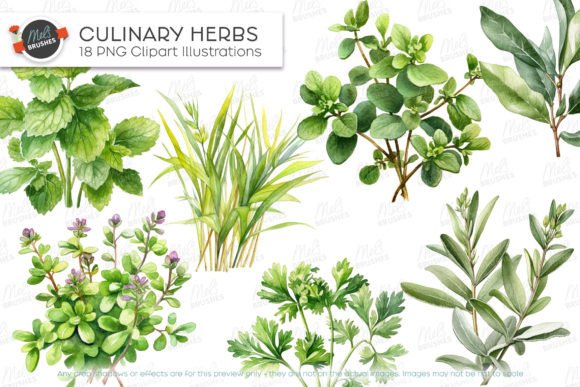
As a digital publisher and blog designer, my first interaction with any new graphic design asset is strictly utilitarian. I do not just look at the art; I look at the utility. When I opened the file set for Culinary Herbs Watercolour Clipart, my immediate assessment focused on transparency, edge quality, and compositional balance. This collection immediately establishes an organic, artisanal mood that is essential for food blogging, wellness publishing, and sustainable living niches. Unlike generic vector icons, these watercolour illustrations carry a tactile texture that signals authenticity to the reader. In an era of AI-generated saturation, this hand-painted aesthetic builds immediate trust, suggesting that the content within is curated, human-led, and grounded in real experience.
The editorial mood here is distinctly modern yet nostalgic. It strikes a difficult balance between professional polish and homemade warmth. For a publisher, this means the asset is versatile enough for high-end recipe sites while remaining accessible for personal lifestyle blogs. The colour palette appears calibrated for screen readability, avoiding the neon oversaturation that often plagues digital downloads from creative marketplaces. This restraint makes the clipart suitable for serious content marketing where visual noise can detract from the message.
Deploying Assets Across the Publishing Ecosystem
In a real-world publishing workflow, versatility is the primary metric for ROI. Culinary Herbs Watercolour Clipart functions as a modular system rather than a single static image. When designing featured images for blog posts, individual herb elements can be positioned to frame negative space, allowing headline text to remain legible without competing with complex backgrounds. This is critical for maintaining a strong visual hierarchy. I have found that placing a sprig of rosemary or basil in the corner of a website header creates a natural leading line that guides the eye toward the navigation or call-to-action buttons.
For social media graphics, particularly Pinterest pins, these illustrations solve the common problem of empty vertical space. A tall pin featuring a recipe title often feels sparse; adding watercolour foliage adds weight and context without requiring additional photography. In the realm of affiliate marketing, these assets serve as excellent visual anchors for product reviews of kitchen tools, supplements, or gardening supplies. They soften the commercial nature of affiliate content, making promotional posts feel more like editorial recommendations and less like advertisements.
Beyond standard web use, this asset class shines in digital product creation. If you are developing a lead magnet such as a seasonal meal planning PDF or a herb-drying guide, these illustrations provide instant production value. They elevate a simple Word document into a polished printable design that subscribers actually want to save. Similarly, for online educators creating course materials or worksheets, consistent use of these botanical elements reinforces brand identity across disparate learning modules. Even in email newsletters, where heavy images can trigger spam filters or slow load times, small watercolour accents break up text blocks and maintain engagement rates.
Strategic Placement for Maximum Editorial Impact
Knowing where to place a design asset is as important as the asset itself. Based on testing within various CMS layouts, Culinary Herbs Watercolour Clipart performs exceptionally well in specific zones:
- Hero Images: Use clustered arrangements to create custom banners that align with seasonal content calendars.
- Category Thumbnails: Assign specific herbs to specific categories (e.g., mint for beverages, thyme for savoury) to aid user navigation through visual cues.
- Content Upgrades: Embed subtle watermarks or borders in downloadable checklists to protect intellectual property while enhancing perceived value.
- Social Media Previews: Ensure Open Graph tags feature these illustrations so shared links look distinct in crowded feeds.
- Editorial Accents: Use isolated leaves as bullet points or dividers within long-form articles to reduce cognitive fatigue.
However, publishers must exercise caution. These illustrations should be used sparingly in highly technical or corporate environments where precision outweighs aesthetics. Avoid placing detailed watercolour textures behind small body text, as the organic edges can reduce contrast ratios below WCAG accessibility standards. On mobile devices, intricate details may vanish or appear as muddy blobs if scaled too aggressively. Always prioritize readability over decoration. Furthermore, busy layouts already saturated with photography will clash with the painterly style; these assets require breathing room to function effectively.
Technical Validation and Licensing for Commercial Use
Before integrating Culinary Herbs Watercolour Clipart into any monetized project, a rigorous technical audit is mandatory. Visual appeal cannot compensate for poor web performance or legal ambiguity. My standard pre-publish checklist includes the following validation steps:
- Screen Testing: Preview the assets on both retina displays and low-resolution mobile screens. Verify that transparent PNG edges are clean and free of white halos against dark mode backgrounds.
- Typography Pairing: Test the clipart against your site’s font stack. Watercolour typically pairs best with elegant serifs or clean sans-serifs. Avoid overly decorative script fonts that compete with the organic brushwork.
- Performance Optimization: Raw watercolour files are often large. Compress all images using modern formats like WebP before uploading. A 5MB PNG will destroy your Core Web Vitals score; aim for under 200KB for decorative elements.
- Contrast Verification: Run text-over-image combinations through accessibility checkers. Ensure the watercolour texture does not interfere with text legibility.
- Licensing Audit: Confirm the commercial license explicitly covers your intended use. Some licenses restrict usage in digital products for resale or limit the number of impressions for paid ads. Never assume "royalty-free" means "restriction-free."
For those utilizing Canva template workflows, ensure the clipart maintains its integrity when resized within the platform. Canva’s compression algorithms can sometimes degrade delicate watercolour gradients. It is often better to upload pre-composed composite images rather than relying on the platform to render multiple transparent layers. Additionally, if you are running a multi-author site or agency, establish clear guidelines on how these assets should be used to maintain brand identity consistency. Unregulated use can quickly make a professional publication look disjointed.
Elevating Content Value Through Intentional Design
Ultimately, the decision to incorporate Culinary Herbs Watercolour Clipart is a strategic one. It is not merely about making a page look pretty; it is about signaling quality to the reader. In content marketing, visual cohesion correlates directly with time-on-page and conversion rates. When a visitor lands on a recipe post or a wellness guide, the presence of thoughtful, high-quality illustrations suggests that the information provided has been treated with equal care. This subconscious association is what separates amateur blogs from authoritative digital publications.
For small business branding, these assets offer a cost-effective alternative to custom illustration commissions while retaining a bespoke feel. They allow creators to build a recognizable visual language that extends from the website header to the Instagram story highlight covers. By treating this graphic design asset as a core component of your editorial infrastructure rather than an afterthought, you unlock its full potential. Whether you are crafting a digital guide for sale, optimizing affiliate content, or simply trying to improve the aesthetic of your daily blog posts, these watercolour illustrations provide the necessary bridge between functional web design and emotional storytelling. The result is a digital presence that feels cultivated, intentional, and deeply connected to the subject matter.